Testing ways to put in FAQs
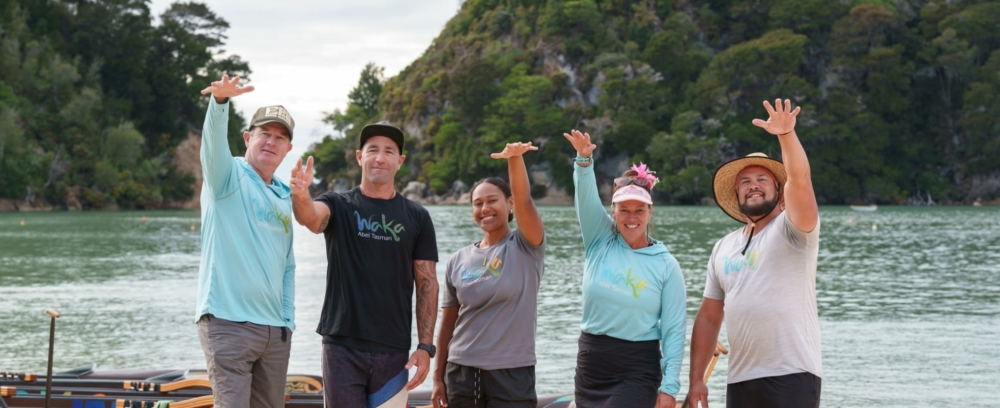
We can't wait to uplift you with our manaaki (hospitality)
Manaaki tangata
Caring for people
Our community is at the heart of what we do
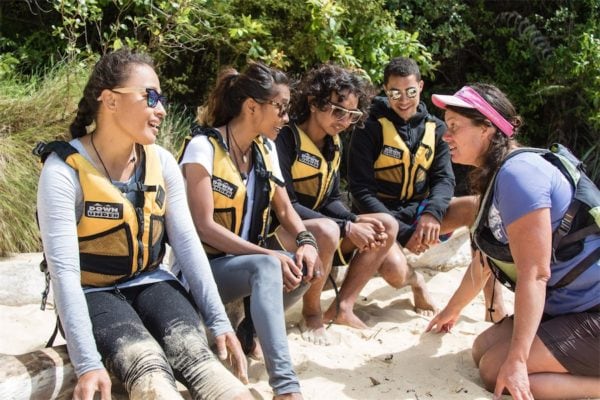
When you book a trip with us you support our schools and community groups coming at a subsidised rate. To date we have close to 16,000 young people who have had a subsidised experience with Waka Abel Tasman.
We invite you to join us and help us to help support our community's growth and empowerment.
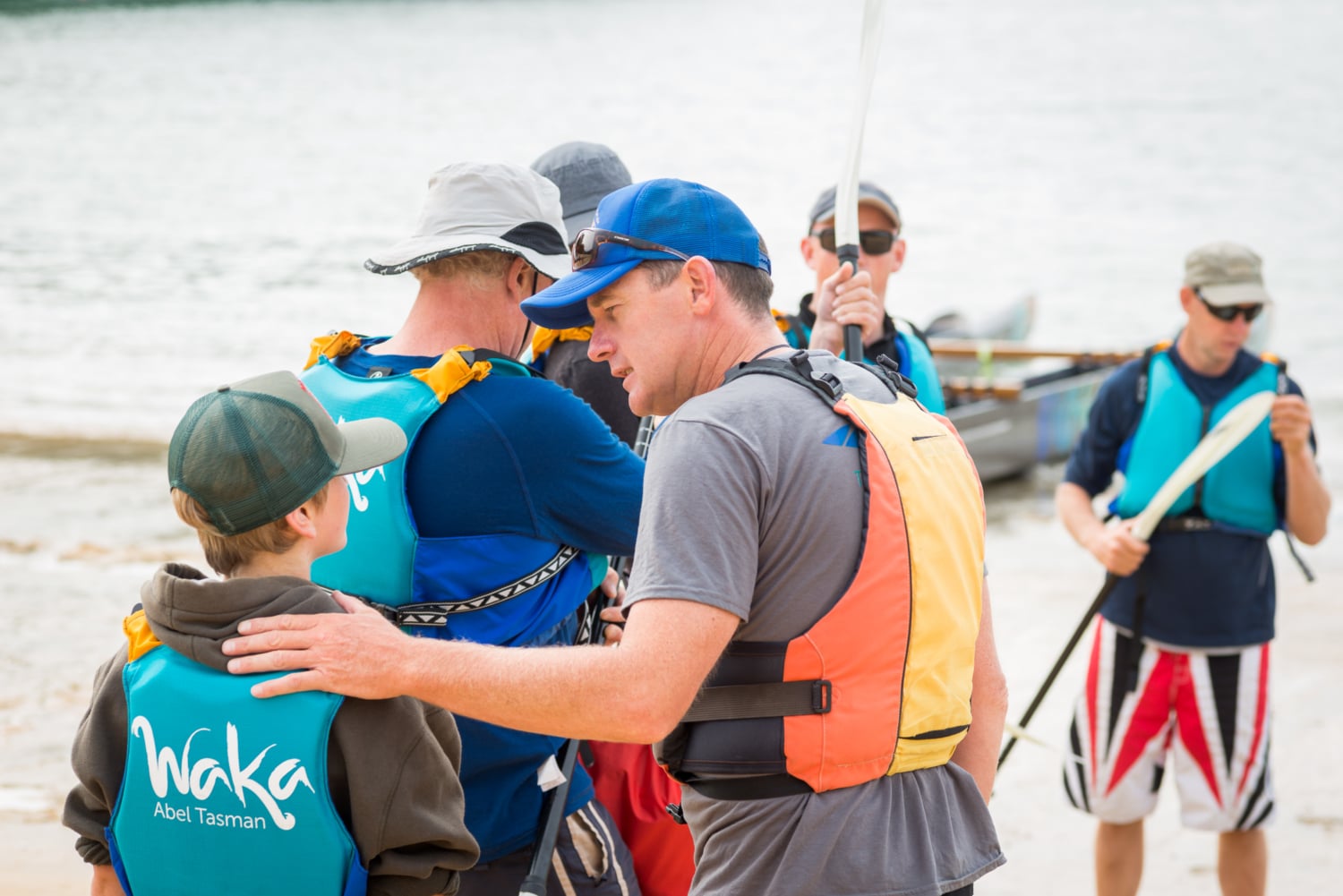
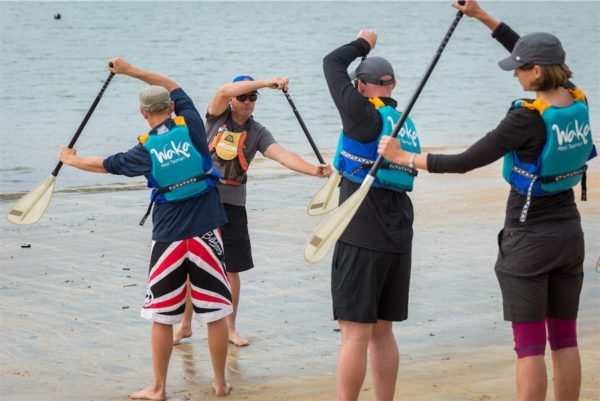
Your safety comes first
Passionate about supporting healthy lifestyles
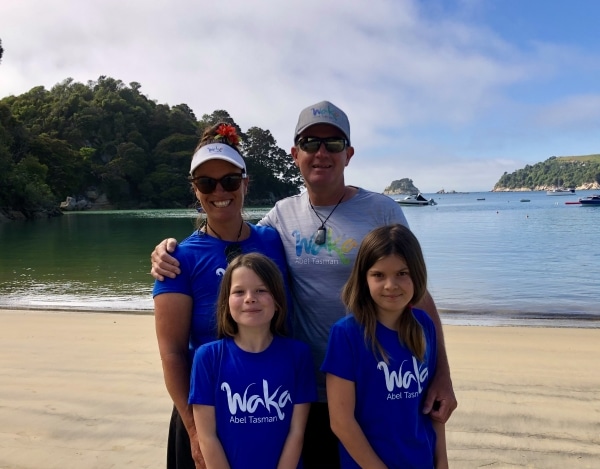
Your hosts
National and international waka ama medalists
FAQs / Pātai
What happens during a Waka Abel Tasman experience?
What should I wear and bring with me?
Depending on the time of year dress for the day’s weather. Ideally wear or bring:
- Quick-dry clothing like shorts
- Quick-dry top and/or a thermal warm top
- Warm fleece
- Raincoat if rain is likely
- Water shoes, sandals, or go barefoot
- Water bottle
- Sunblock protection
- Sun hat, sunglasses
We have phone bags if you want to bring your phone.
Do I need any previous waka or paddling experience?
No experience needed for our tours you will be taught everything you need to know.
Will I get wet?
Most probably. You will get wet feet getting into the waka and there could be splashing from sea and paddle. It’s all part of the fun!
Why do I need to take water?
It is wise to hydrate when in the waka. You might be having too much fun to notice that you’re exercising but there is some physical effort involved, so it’s a good idea to have water handy.
Will I need to wear a lifejacket?
Yes, that is part of our safety procedure. We supply lifejackets.
Do I have to be young and fit to do this?
Paddling a waka is something you can do sitting down! Because a waka team shares the work, age and physical fitness aren’t as important as they might be in other activities. Just relax, do what you can and enjoy being part of a team.
I have a bad back. Will I find paddling uncomfortable?
Sitting in a waka is comfortable and easier on the hamstrings than sitting in a kayak. There are no back rests, however. Only you know the extent of your back issues, so only you can assess whether or not paddling in a waka will aggravate the problem. If you are unsure, we recommend caution.
Is the waka suitable for people of different heights, body sizes and abilities?
Yes. Our waka experiences are designed to be welcoming and suitable for people of different heights and body sizes. If you have any mobility concerns or questions about comfort, please contact our team before booking so we can help you prepare and ensure you have the best possible experience.
What cultural elements are included in the waka experience?
Our tours are run in tikanga Māori starting with a mihi whakatau (cultural welcome) whakawānaungātanga (Making connections) learning to introduce yourself in te reo Māori (the Māori langauage) learning pūrakau (local history) Learning a waka haka, learning a karakia for kai (food) finishing the trip back at the starting point with a poroak (correct way to say goodbye)
I don't know anything about Maori culture and I'm concerned I might offend someone
Please don’t worry! By sharing tikanga Māori (correct Māori etiquette), we want to give you a wonderful, cultural experience. It’s easy, relaxed and not at all confronting.
Are there any risks I need to be aware of?
Risk disclosure
Participating in our double hull waka experience has a low risk level. It is however an outdoor adventure activity, therefore participants are exposed to variations in weather conditions which all have an element of risk involved. Risks in undertaking this water-based activity include but are not limited to; Personal Injury (seasickness, heat stroke, hypothermia, drowning), Natural Weather Events (Flooding, Fire, Earthquake, Tsunami), and Property Damage (water damage /salt water submersion). Waka Abel Tasman mitigates these risks through thorough preparation and adherence to a detailed Risk Identification and Management System. This includes providing you with the necessary information, training and safety equipment to participate in our activities.You are personally responsible for listening to our directions, adhering to our advice, and making responsible decisions to keep yourself safe.
Additionally, we reserve the right to modify, alter, or cancel activities at any given time if we feel your safety or the safety of others may be compromised.
Where do the waka tours depart from?
Our tours depart from Kaiteriteri beach by the boat ramp
How long does each waka experience take?
Our public trip and group trip is a 3hr experience, while our sunrise trip is 2hr. The sunrise trip start time varies depending on when sunrise is; the trip will start 30 minutes before the sunrise for Kaiteriteri.
What happens if the weather's bad?
Please refer to our Cancellation Policy.
What ages can take part in a waka tour?
For our public tour, the minimum age is 2 years and there is no maximum age; for our private group trips, there is no minimum or maximum age.
Are the tours suitable for families with young children?
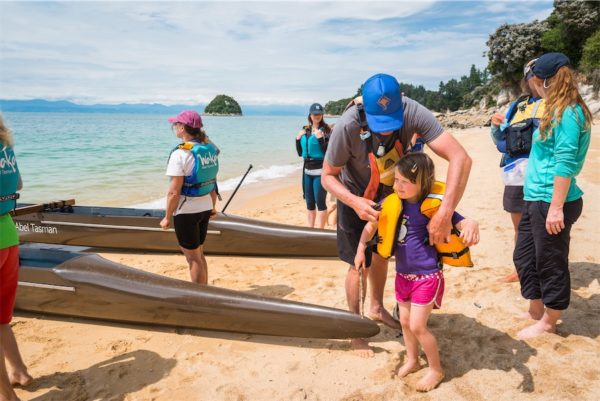
Yes we take lots of families with young children on our trips
Can I book an individual seat, or do I need to organise a group?
Yes on our public trip you can book as an individual or a couple or more we do have a minimum number and will be in touch if that is not met.
Can you accommodate private groups, schools or large whānau?
Yes we offer private group trips, large family groups, schools, and community groups.
Do you offer corporate team-building experiences and Christmas functions?
Absolutely, we offer team building and staff trips for businesses.
How far in advance should we book, particularly for groups or corporate events?
The earlier the better, particularly Dec 26 to 26 January to guarantee your day of choice.
What people are saying about our tours
 best day ever with waka abel tasman - an amazing afternoon with leanne and thomas out on te tai-o-aorere. the manaakitanga was amazing and generosity of the kaihautū to share their kōrero with us. even stopped for kai and a tea - mīharo! thank u e te whānau i will be back :—)


 Liv W
Liv W1 August, 2026
Great experience - thank you - Thank you very much. We took a group of 13 - 18 year old's. It was the perfect level of challenge - and it was great to see the kids increase in confidence on the waka and with the tikanga surrounding. The waka experience was accompanied by very considered conversation about the history of the area and the mana whenua connection with their lands. All in all a really fun time.
 Rebecca A
15 July, 2026
Perfect - great for the soul! - What a fabulous experience it was learning about the local history in the Abel Tasman with two amazing guides! We managed to pick a day where the weather was pretty perfect and so was the company as we were sharing this with our teaching team and whānau! Ngā mihi Waka Abel Tasman, we will be back for a sunrise paddle next time.
 Angelique H
5 May, 2026
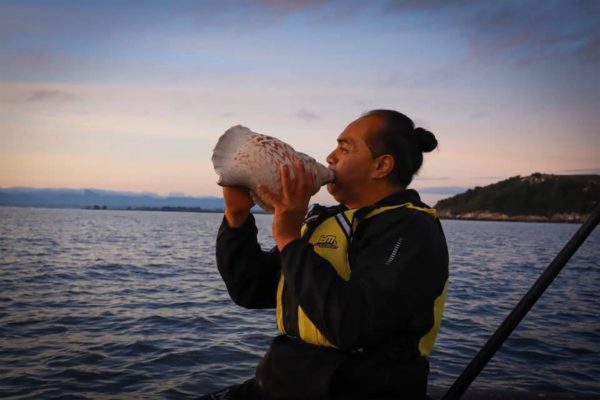
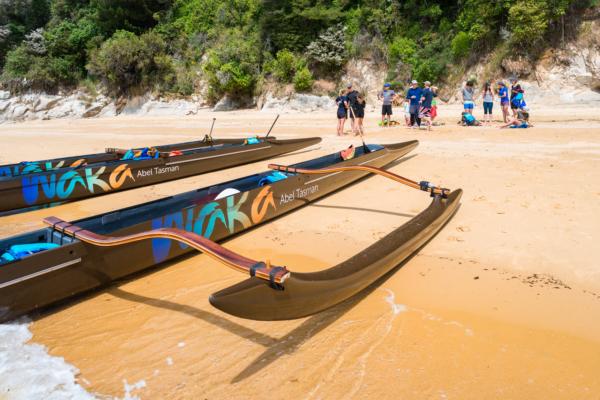



"Manaaki moana, manaaki tangata, haere whakamua"
Make a booking today